 BetTennis
 Grand Slam Betting Guide: Master Wimbledon, US Open, French Open & Australian Open
 Available in US
Grand Slam tournaments are different animals entirely from regular ATP and WTA events. They’re not just bigger tennis tournaments with more prize money and prestige. The dynamics change fundamentally in ways that create unique betting opportunities and traps. Best-of-five sets for men instead of best-of-three. Two weeks of grueling competition instead of one. The entire tennis world watching instead of casual attention. These factors combine to create a betting landscape that requires specialized strategies.
Most bettors approach Grand Slams the same way they bet regular tournaments. They look at rankings, check recent form, maybe glance at surface records, and fire off their bets. That’s leaving massive edges on the table. Grand Slams reward specific player profiles, create unique psychological pressures, and develop narratives over two weeks that completely reshape how you should evaluate matchups. Understanding these dynamics separates bettors who grind out modest profits from those who actually make serious money during the majors.
The four Grand Slams each have distinct personalities shaped by their surface, venue, time of year, and history. Treating them as interchangeable is a fundamental error. The Australian Open in January creates different opportunities than the French Open in May, which differs from Wimbledon in July and the US Open in September. Each deserves its own strategic framework, and that’s exactly what this guide provides.
Why Grand Slams Are Different From Regular Tournaments
The best-of-five format for men changes everything. In best-of-three, a hot start can carry you through a match. Drop the first set and you’re immediately on the brink. In best-of-five, there’s time to adjust, recover from a slow start, and let quality assert itself over variance. This favors higher-ranked players and punishes upset picks that rely on an opponent having one bad day.
Favorites are safer in best-of-five because they have more opportunities to impose their game. An underdog might steal a set through inspired play or the favorite making uncharacteristic errors. But maintaining that level for three or four sets is exponentially harder. The longer the match, the more likely the better player wins. This doesn’t mean never bet underdogs at majors, but it does mean your bar for underdog bets should be higher.
Physical fitness becomes paramount over two weeks of potential best-of-five matches. A player who survives a five-hour semifinal has to recover and play another potential five-hour final days later. Younger, fitter players have measurable advantages in the late rounds of majors compared to equally skilled but older or less fit opponents. This wasn’t as crucial in best-of-three where matches rarely exceed two hours.
The draw matters more at Grand Slams than any other tournament. Playing seven matches to win the title means the path to victory matters enormously. A top seed might draw a section with multiple other top-ten players, creating a brutal road to the final. Another top seed might skate through unseeded opponents until the semifinals. These path differences aren’t fully priced into betting markets, especially in early-round and futures bets.
Tournament atmosphere and pressure escalate dramatically at majors. Some players thrive under the bright lights with the entire tennis world watching. Others crumble under the weight of expectations. Roger Federer at Wimbledon was a completely different player than Federer at a random Masters event. The pressure brought out his best. Other players consistently underperform at majors despite strong results elsewhere. Track which players elevate at Slams versus those who shrink.
Rest between matches varies more at majors than regular tournaments. Rain delays, scheduling quirks, and the two-week format mean some players get extra days off while others play back-to-back. A player who just played a four-hour five-setter yesterday facing an opponent who had two days rest is at a significant disadvantage. Monitoring the schedule and rest days is crucial for in-tournament betting.
Australian Open Strategy and Characteristics
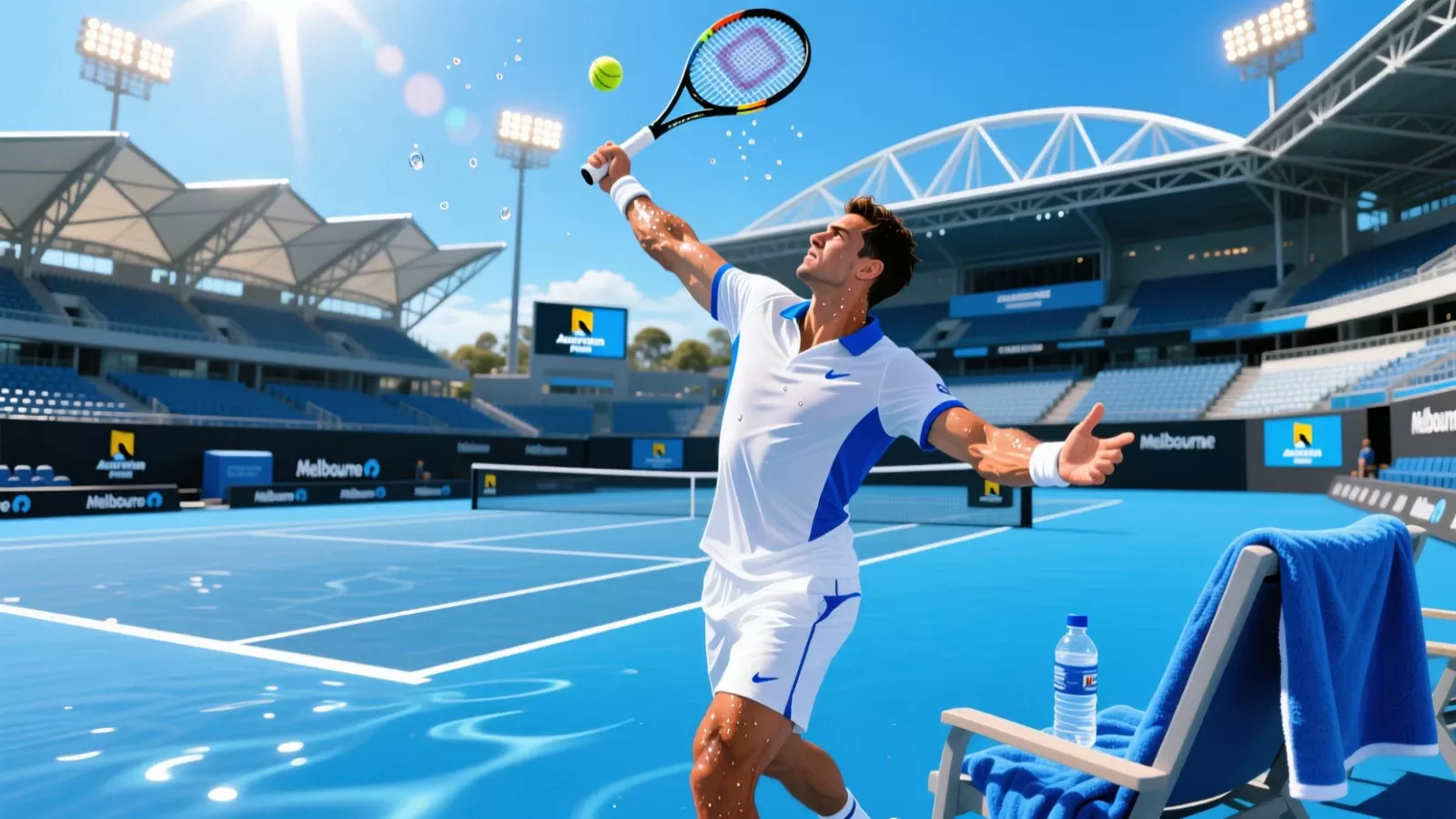
The Australian Open kicks off the tennis season in mid-January, played on hard courts in Melbourne. The timing creates unique dynamics because it’s the first major opportunity for players to make their mark after the off-season. Some arrive in peak form after training camps and warm-up events. Others are still shaking off rust and finding their rhythm.
The heat in Melbourne is brutal and unpredictable. January is peak summer in Australia, and temperatures regularly exceed ninety-five degrees with high humidity. The extreme heat policy allows for breaks and roof closures in extreme conditions, but generally players have to endure exhausting conditions. Fitness and heat tolerance become major factors. Players who train in hot climates or have shown ability to handle heat well have genuine edges.
The hard courts at Melbourne Park have evolved over the years. They used to play quite fast, favoring aggressive players and big servers. Recent changes have slowed them down slightly, creating more rallies and favoring baseline consistency. This shift affects which player profiles succeed. Check recent tournament results to understand current court speed rather than relying on outdated assumptions.
Night sessions at the Australian Open play differently than day sessions. The cooler evening temperatures make conditions less physically demanding. The balls don’t fly as fast through the heavier air. These subtle differences affect match texture and outcomes. A player who struggled in oppressive day-session heat might perform much better in a night match.
The first major of the year creates psychological dynamics around form uncertainty. Nobody knows exactly where they stand yet. The off-season was long. Warm-up tournaments don’t always translate. This uncertainty creates more variance in early rounds compared to later majors where form is more established. Betting early rounds requires heavier weighting on past Australian Open performance and general hard court ability rather than recent results.
Draw analysis is particularly important at the Australian Open because of the heat factor. A player who draws multiple tough early-round matches in brutal day-session heat might be worn down by the time they reach the second week. Compare paths through the draw not just by opponent quality but by expected match difficulty and physical toll.
Futures betting on the Australian Open benefits from longer odds compared to later majors. By the time Wimbledon and the US Open arrive, the season favorites are established and priced accordingly. In January, there’s more uncertainty and longer odds available on players who might break through. This cuts both ways more variance means more risk, but also more potential reward for accurate reads.
French Open Dynamics and Clay Court Considerations

The French Open is the only major played on clay, making it completely different from the other three. Roland Garros in late May and early June rewards specific player profiles and creates opportunities for specialized bettors who understand clay court tennis deeply.
Clay court specialists dominate this tournament in ways they never dominate Masters events. At a clay Masters 1000, the schedule is tight and upsets happen. At Roland Garros over two weeks, the clay specialists grind down opponents through sheer consistency and fitness. Rafael Nadal’s fourteen French Open titles aren’t a fluke. Clay at a major rewards his exact skill set more than any other tournament.
The slow surface and high bounce mean defense trumps offense. Aggressive players who blast winners on hard courts find those same shots coming back repeatedly on clay. Points extend because the surface gives defenders time to retrieve everything. Matches become wars of attrition where the more patient, fit player usually prevails.
Weather at Roland Garros creates significant variables. Spring in Paris means frequent rain, cold days, and windy conditions. Rain doesn’t just delay matches—it makes the clay heavier and even slower when play resumes. Cold weather affects ball flight and player comfort. Wind disrupts serves and timing. Monitoring weather forecasts is essential for daily betting.
The red clay at Roland Garros is unique compared to other clay tournaments. It’s pure red clay rather than the Har-Tru or green clay used elsewhere. The specific composition affects ball bounce and how much the surface breaks down over two weeks. Players who have competed at Roland Garros before know these peculiarities. First-timers face a learning curve even if they’re strong on clay generally.
Physical demands over two weeks on clay are enormous. Clay court matches last longer than matches on other surfaces. The sliding, the long points, the recovery between points—all of it accumulates. By the second week, fitness separates contenders from pretenders. Bet heavily on superior conditioning in quarterfinals and semifinals.
The French Open sees fewer upsets in late rounds than other majors. Clay at a major gives the better player so many opportunities to assert themselves that variance decreases. An underdog might steal one set through inspired play, but stealing three sets from a superior clay courter over potentially four or five hours is nearly impossible. This makes favorites safer than at other Slams, but it also means the odds are tighter.
Nadal on clay at Roland Garros deserves special mention. When healthy, he’s been nearly unbeatable. Betting against Nadal at the French Open has been financial suicide for two decades. The market knows this and prices him accordingly, often making him the favorite against the entire field. But even at short odds, he’s often been value because his actual dominance exceeded even the market’s high expectations.
Wimbledon Betting and Grass Court Mastery
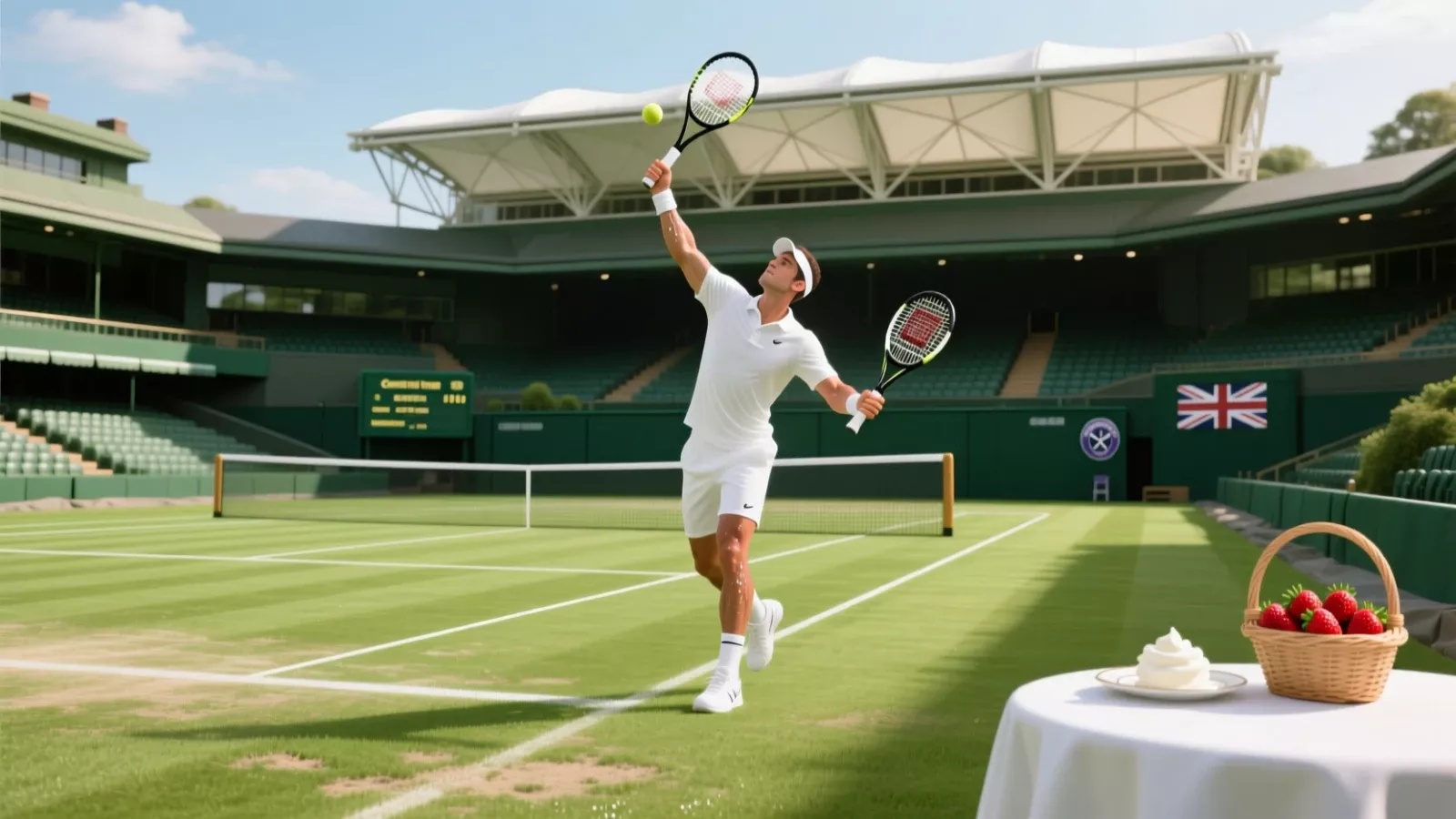
Wimbledon is the most prestigious tournament in tennis, played on grass courts in London over two weeks in late June and early July. The grass surface, the history, and the unique atmosphere combine to create a Grand Slam unlike any other.
Grass courts at Wimbledon are the fastest surface in tennis. The ball stays low, skids through, and favors big servers and aggressive players. Service holds dominate. Break points are precious. Matches often hinge on one or two key moments where a break of serve decides an entire set. This creates high variance compared to clay and makes Wimbledon the most unpredictable major.
The grass deteriorates significantly over two weeks. Week one plays on pristine grass with consistent, fast bounces. By week two, brown patches appear, especially on the baselines and service boxes where players repeatedly land. These worn areas create unpredictable bounces and slow the court slightly. Players who’ve been deep into Wimbledon before know how to adjust. First-timers struggle with the changing conditions.
Weather at Wimbledon is famously unpredictable. Rain delays are common. The tournament has added a retractable roof on Centre Court and Court One, but most matches play outdoors and are subject to interruption. Rain delays affect momentum, scheduling, and player energy. Some players handle disruptions well while others lose focus and struggle to restart.
The grass season before Wimbledon is incredibly short. Maybe two or three weeks of grass court tournaments total. This means players get minimal preparation compared to the months they spend on clay and hard courts. The lack of familiarity creates upsets. A lower-ranked player comfortable on grass can absolutely beat a higher-ranked player still adjusting from clay season.
Big servers and serve-and-volley players have their best major chance at Wimbledon. The fast surface and low bounce make serves nearly unreturnable when hit well. Players with massive serves but mediocre groundstrokes can go deep at Wimbledon through pure serve dominance. This creates futures value on big servers who might be longer odds than their actual Wimbledon chances warrant.
The mental and psychological aspects of Wimbledon are unique. It’s the oldest and most prestigious major. The all-white dress code, the royal box, the tradition and history—it all creates pressure unlike any other tournament. Some players dream their entire lives of winning Wimbledon and bring extra motivation. Others find the pressure suffocating and consistently underperform relative to their ability.
Betting Wimbledon requires completely different analysis than Roland Garros. Clay court results are nearly irrelevant. Focus intensely on grass court history, serve statistics, and ability to finish points at net. A player’s overall ranking matters less than their specific grass court skill set. The market adjusts for this but not aggressively enough, especially for mid-tier players with strong grass credentials.
Left-handed players have specific advantages at Wimbledon. The serve angles are unfamiliar for most opponents, and on grass where serves dominate, this matters enormously. Check records of right-handed players against lefties on grass. Some have terrible splits because they never fully adjust to the angles during the short grass season.
US Open Characteristics and Hard Court Strategy

The US Open closes the Grand Slam season in late August and early September, played on hard courts at Flushing Meadows in New York. The timing, the venue, and the American atmosphere create distinct dynamics separate from the Australian Open despite both using hard courts.
The hard courts at the US Open play medium-fast with significant environmental factors. Late summer heat and humidity in New York create heavy conditions. The ball doesn’t fly as fast through humid air. Players sweat profusely and tire faster. Night sessions feel different because cooler temperatures change ball flight and comfort levels. These day-night differences are more pronounced than at the Australian Open.
The US Open atmosphere is uniquely American and rowdy compared to other majors. The crowd is loud, partisan, and sometimes disruptive. Players need to handle distractions and maintain focus through noise and interruptions. Some players thrive on the energy while others prefer the more restrained atmosphere at other Slams. Track which players perform well at Flushing Meadows versus their results elsewhere.
Scheduling at the US Open can be brutal. Unlike other majors that carefully manage marquee matchups, the US Open sometimes creates back-to-back late-night finishes followed by next-day matches. A player finishing at midnight then playing again the following evening has minimal recovery time. Monitor the schedule closely for rest advantages and disadvantages.
The position in the calendar matters significantly. The US Open is the fourth major, coming after Australia, France, and Wimbledon. Players are tired from a long season. Some are injured or managing injuries. Others have peaked earlier and are now declining. Late-season form and fitness become even more critical than at earlier majors.
Wind at Flushing Meadows is a constant factor. The venue sits near water and wind swirls through the stadium affecting serves and groundstrokes. Some days are calm, others feature fifteen or twenty mile-per-hour winds that completely change match dynamics. Weather forecasting and understanding which players handle wind well creates betting edges.
The US Open is traditionally the major where Americans perform best due to home crowd support and familiarity with conditions. American players get energized by the crowd and often play above their typical level. This is priced into odds but not always sufficiently, especially for mid-tier Americans who might be longer odds than their actual US Open chances warrant.
Court speed has varied over the years at the US Open. The tournament has experimented with different surfaces and speeds. Recent iterations have played medium speed, neither as fast as Wimbledon nor as slow as Roland Garros. This favors all-court players without extreme strengths or weaknesses. Check recent results to understand current conditions rather than assuming consistency with past years.
Draw Analysis and Bracket Strategy
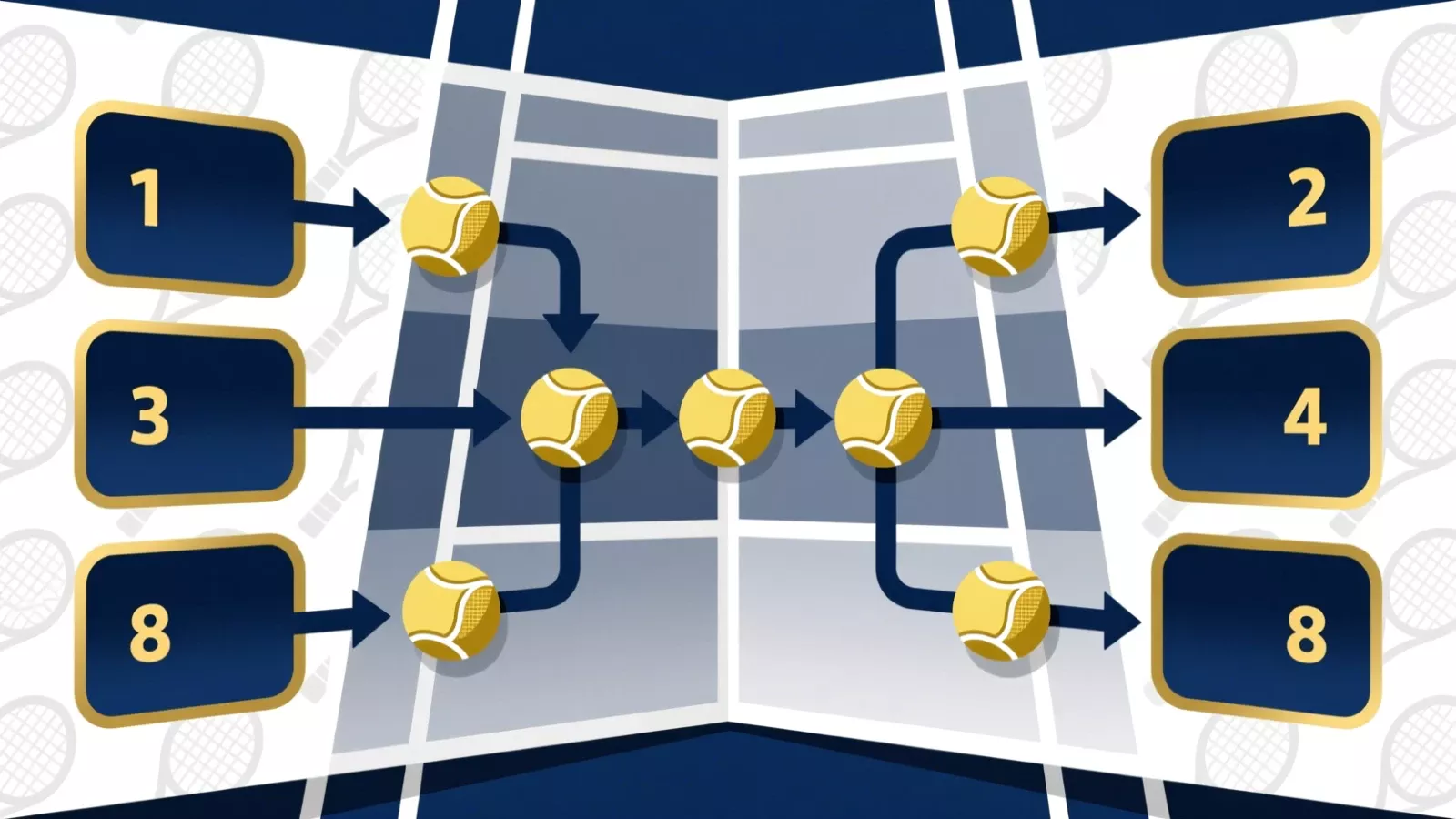
The draw reveal before any Grand Slam is a major betting event. The bracket determines who plays whom and when, creating paths to the final that vary dramatically in difficulty. Understanding how to analyze draws and adjust your betting accordingly is crucial.
Seeding protects top players but only partially. The top thirty-two players are seeded, meaning they can’t face other seeds until the third round at the earliest. But seedings are based on ranking, which might not reflect current form or surface specialization. A player seeded tenth might actually be the fifth-best player on this specific surface. Another seeded fifteenth might be struggling with injury. The seeds don’t tell the whole story.
Early-round paths matter for upset potential. A top seed who draws a dangerous floater—an unseeded player who’s actually quite strong—in the first or second round faces real upset risk. Meanwhile, another top seed might draw two weak qualifiers in rounds one and two, essentially getting free passes. These path differences create betting opportunities in both directions.
Section strength varies dramatically. One quarter of the draw might contain four of the top eight seeds while another quarter has only one. A player in the loaded quarter has to survive murderous competition to reach the semifinals. A player in the weak quarter can coast to the semis facing minimal resistance. When betting futures or second-week matches, account for which section players came from and what battles they survived.
Head-to-head matchups within the draw create predictable problems. If Player A is seeded third and their likely quarterfinal opponent is a player they’re 0-4 against career, that’s a major red flag for betting Player A to reach the semifinals or win the tournament. The draw might set up nightmare matchups for certain players based on style or history.
Rest and scheduling advantages emerge from the draw structure. Players in the top half play their early matches on different days than players in the bottom half. One half might get better weather conditions or more favorable scheduling. By the time the final arrives, one player might have had an extra day of rest due to how their semifinal was scheduled. These advantages aren’t random and aren’t fully priced into markets.
Futures betting requires immediate draw analysis. The moment the draw is revealed, futures odds shift to reflect new information. If you can analyze the draw faster than the market adjusts, you can bet at stale odds before the lines catch up. This requires preparation—know the players, their head-to-heads, their strengths and weaknesses—so you can evaluate the draw quickly when it drops.
Protected seeds in opposite halves mean certain matchups can’t happen until the final. If the two best players on this surface are seeded one and two, they’re in opposite halves and can’t meet until the final. This makes betting either of them to reach the final safer than betting them to win it outright because you know they won’t face each other earlier.
Tournament Progression and Form Reading
Grand Slams develop narratives over two weeks that completely reshape betting landscapes. A player nobody expected to contend suddenly looks unstoppable after three dominant wins. A favorite struggles through two five-set matches and looks vulnerable. Reading these evolving narratives and adjusting your bets accordingly is critical.
First-round performances often mislead. Some players start slow but peak in week two. Others come out firing but can’t maintain that level. Don’t overreact to opening-round results. A top player struggling through five sets in round one isn’t necessarily in trouble—they might just need a match to find rhythm. Conversely, a player cruising through round one isn’t guaranteed to maintain that form.
The second week separates contenders from pretenders. By the quarterfinals and semifinals, the field narrows to genuine threats. This is when physical and mental toughness matters most. Players who’ve never reached this stage before often struggle with the pressure. Veterans who’ve been here repeatedly have clear edges. Bet experience heavily in late-round major matches.
Form reading requires watching matches or at least reviewing detailed statistics. A player who won 6-4, 6-4, 6-3 might look solid based on the score, but if they were broken three times and saved eight break points, they’re vulnerable. Compare that to a player who won 7-6, 6-7, 7-6 in a tight match but never faced a break point on serve. The second player might actually be in better form despite the closer score.
Injury concerns emerge during Slams in ways they don’t in one-week tournaments. A player might be managing a minor injury and get through early rounds, but by the second week it’s worsening. Medical timeouts, visible limping, reduced movement, grimacing during serves—all of these are red flags that a player is compromised. The market often reacts slowly to visible injuries, creating opportunities to fade injured players before odds adjust.
Emotional momentum matters at majors. A player who saves multiple match points to win an instant classic carries that confidence into the next round. Their opponent might be intimidated just by the aura of that previous victory. Similarly, a player who blew a two-set lead and lost in five might be mentally broken for their next match. These psychological factors are real and affect outcomes.
Live betting during Grand Slams offers unique opportunities because matches are longer. In best-of-five, you can watch an entire set, assess form and fitness, and still have four sets remaining to bet on. This gives you more time to gather information and make informed live bets compared to best-of-three where you need to decide quickly.
Futures Betting at Grand Slams
Futures bets on major champions offer the biggest potential payouts but also the highest variance. You’re picking one player to win seven matches, often against the best players in the world. Getting it right is difficult but profitable when it works.
Pre-tournament futures provide the best value if you’ve identified an underpriced player. Once the tournament starts and certain players advance while others exit, odds compress dramatically on remaining contenders. If you believe in a player at +1200 before the tournament, that’s the price to take. After they reach the quarterfinals, they might be +400 and the value is gone.
Hedging opportunities emerge naturally with futures as tournaments progress. You bet a player at +800 before the tournament. They reach the final. Now you can bet their opponent at shorter odds, guaranteeing profit regardless of outcome. The math requires planning but it’s straightforward. Structure your hedge so you profit either way, and suddenly your risky +800 futures bet becomes a guaranteed winner.
Multiple small futures bets diversify risk. Instead of putting five units on one player at +600, put one unit each on five different players at various odds. If any hit, you profit. If none hit, you lose five units but you had five chances instead of one. This portfolio approach smooths variance and increases your probability of profit even if you can’t pinpoint the exact winner.
Dark horse candidates at Grand Slams are players outside the top ten who have the game to go deep on this specific surface. A clay court specialist ranked twentieth might be +4000 to win Roland Garros despite having a legitimate chance if draws break right. These long shots rarely win but when they do, the payout is enormous. Allocating a small percentage of your futures bankroll to well-selected long shots is profitable long-term.
The favorite’s dilemma is real in futures betting. The clear favorite might be -120 or +150, almost even money. Even if they’re actually the most likely winner, is there value laying those odds? They need to win seven matches with no bad days, no injuries, no inspired opponents. Sometimes the favorite is correctly priced but still not a value bet because the odds don’t compensate adequately for the risk.
Make-finals bets offer interesting alternatives to outright winners. You bet a player reaches the final rather than wins the tournament. This gives you insurance against losing the final. The odds are obviously lower but the probability of success is higher. In an era of parity where no dominant player exists, make-finals bets often provide better risk-reward than outright winners.
See also: bet-tennis – strategies and guides for tennis.
See also: Tennis Court Surfaces Betting Strategy – each Grand Slam has a different surface.
